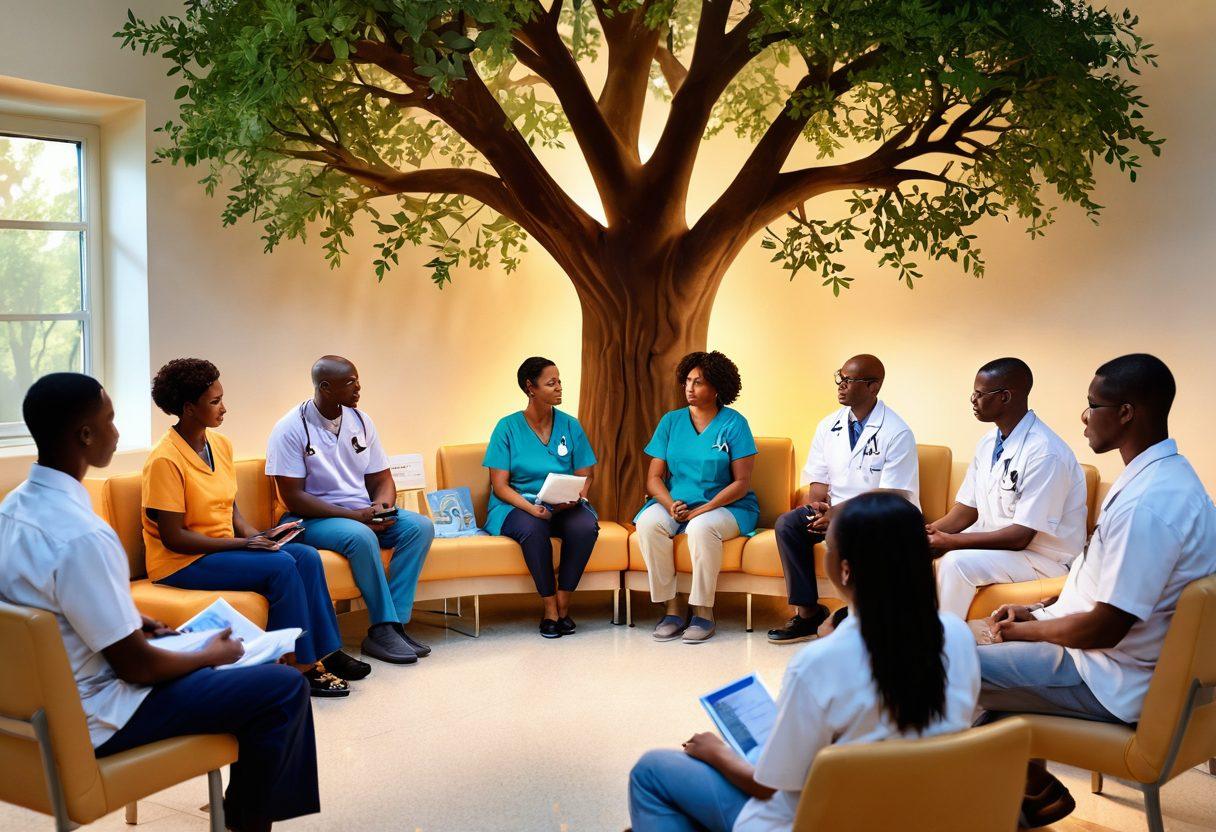
Navigating the Cancer Care Journey: Empowering Patients Through Nutrition, Support, and Advocacy
In the face of illness, especially when it comes to something as daunting as cancer, the journey can feel overwhelming. Whether it's the fear of a new diagnosis or the long road faced during treatment, patients often seek solace in various forms of support. One crucial aspect that is sometimes overlooked in the cancer care journey is nutrition. As we delve into harnessing nutrition for enhanced well-being in the fight against cancer, let's remember: 'The body achieves what the mind believes.' So, what role does nutrition really play in our fight against malignancy?
The connection between nutrition and cancer is a fascinating territory that has attracted the focus of numerous medical research studies. From preventing tumor growth to aiding recovery, the right nutrition can make a significant difference in a patient's overall health. Research indicates that a balanced diet can support not only the body's needs during treatment but can also enhance patient fitness post-treatment. Have you ever thought about how the foods you consume impact your well-being?
Imagine a plate filled with colorful vegetables, whole grains, and lean proteins. Now, picture every bite contributing to your fight against disease. Foods rich in antioxidants and anti-inflammatory properties can play a pivotal role in strengthening the immune system. For instance, foods like berries, leafy greens, and nuts work synergistically to improve your body's resilience. So, how can you make sure that your nutrition aligns with your healthcare plan? The answer lies in personal empowerment through education.
Incorporating nutrition into your cancer care journey not only involves dietary choices but also requires community support and advocacy. Patients are more likely to adhere to nutritional guidelines when they have a solid support network. Local cancer support groups often host nutrition workshops or even cooking classes to educate patients on what they should eat during and after treatment. This collaborative effort fosters an environment where discussing food choices becomes an act of empowerment rather than a chore. How has your community shaped your understanding or approach to nutrition during cancer treatment?
Ultimately, recognizing the importance of nutrition in the context of preventive care is essential. It’s not just about consuming what is healthy but also about understanding how food can be a form of treatment itself. Engaging in clinical trials focused on nutrition in cancer recovery can open new doors for patients seeking alternative therapies alongside traditional treatments. Have you considered advocacy for better nutrition policies within the healthcare system? Remember, a proactive approach can pave the way for improved patient outcomes in the battle against carcinoma.
The Role of Advocacy and Community Support in Cancer Treatments
When diagnosed with a life-altering illness like cancer, the journey towards recovery can often feel overwhelming. Many patients suddenly find themselves immersed in a whirlwind of medical jargon, treatment options, and clinical trials. Yet amidst the turmoil, one critical element of the cancer care journey shines brightly: advocacy and community support. Advocacy isn’t just about fighting for better healthcare policies; it’s about ensuring patients are heard and supported during one of the most challenging chapters of their lives. This blog explores how advocacy and community support can significantly influence cancer treatments, empower patients, and enhance overall well-being.
Imagine a patient named Sarah who has just been informed that she has a carcinoma. The prognosis feels daunting, but what if Sarah finds a community group that offers patient support? Here, she connects with others who are navigating their own battles with malignancy. They share stories, strategies, and encouragement, while also educating her about nutrition and preventive care. Sarah's experience illustrates how critical community support can be—a network that not only fosters a sense of belonging but also serves as a treasure trove of information that can lead to better health outcomes. How many times have we heard that 'it takes a village'? In cancer treatments, that village can come in the form of fellow patients, support groups, and communities rallying behind the cause.
Advocacy in cancer treatment extends beyond personal support; it reaches into the realms of policy change and enhanced awareness. Education plays a pivotal role here; we are reminded of the poignant quote, "An informed patient is an empowered patient." When individuals come together to advocate for cancer awareness, they shine a light on the needs for improved screening methods, better funding for medical research, and access to innovative therapies. This collective action not only influences policymakers but also raises awareness about the need for continued funding in clinical trials that develop new treatment options. What changes can you envision in your community with better knowledge and resources?
Consider the role of nutrition in cancer care—how can advocacy groups support patients in integrating healthy eating into their recovery journeys? Many patients may not realize how fitness and tailored nutrition can complement traditional cancer treatments, potentially mitigating side effects and improving overall health. Community-based workshops that educate patients on nutrition can transform their approach to well-being, equipping them with the tools needed to advocate for themselves in healthcare settings. The connection between what we consume and how we heal cannot be understated; as the adage goes, 'you are what you eat.'
Ultimately, the intersection of advocacy, community support, and patient empowerment is vital in navigating the complex landscape of cancer treatments. Whether you’re a patient, caregiver, or friend, understanding the importance of these elements can foster a more informed and supportive environment around cancer care. So, how can you play a part in this movement? Whether it be by joining local advocacy groups, participating in educational seminars, or simply offering a listening ear to someone battling a tumor, every action counts. It’s time to amplify our voices and strengthen our communities—together, we can make a profound impact on cancer awareness and treatment!
Empowering Patients: Navigating the Challenges of Malignancy with Knowledge and Care
Empowering patients through knowledge and care is a crucial step in navigating the complex journey of malignancy. By understanding their illness, patients can take control of their healthcare experience, which can be both relieving and empowering. It begs the question: how can we arm ourselves with the necessary information and tools to confront a disease that often feels overwhelming? This journey often starts with education, leading to improved well-being and advocacy—a lifeline for many. After all, knowledge is not just power; it is a beacon that can guide us through the tumultuous waters of carcinoma and other forms of tumor growth.
Many people are unaware of how impactful nutrition and fitness play a role in fighting illness. Nutrition is more than just sustenance; it’s a cornerstone of treatment. As we navigate the complexities of cancer treatment, understanding the right dietary choices can augment medical therapies. Picture this: a patient undergoing treatment who integrates a nutrient-rich diet that supports immune function while minimizing treatment side effects. What if we could turn food into a form of medicine? That's a powerful thought! Incorporating knowledge of nutrition empowers individuals to be proactive in their treatment plans.
Support doesn’t stop at the medical staff; it extends to patients’ communities. Community support networks can play a significant role in helping individuals find their footing amidst the chaos of a cancer diagnosis. Engaging in local support groups or seeking online forums can yield an abundance of resources and shared experiences that lead to newfound strength. Asking for help is not a sign of weakness; it’s the ultimate act of self-advocacy. How have you found community support effective in your journey?
Moreover, the importance of patient advocacy cannot be overstated. This involves more than standing up for one’s rights; it’s about being an active participant in clinical trials and medical research. Knowledge of available therapies, treatments, and preventive care options equips patients to make informed decisions regarding their care. Did you know that participation in clinical trials could not only provide access to innovative treatments but also contribute valuable data to the broader cancer research community? It's a win-win situation where one can contribute to the fight against malignancy.
Finally, being prepared for preventive care and screening is essential for maintaining optimal health as we navigate our cancer journeys. Awareness regarding screening measures can lead to early detection, which significantly boosts survival rates. When armed with the right knowledge and resources, patients can transform uncertainty and fear into action and hope. How can each of us empower ourselves and those around us to foster a more supportive, educated community? Ultimately, it is about how we navigate this journey together and ensure that no one walks alone in their fight against this illness.